An AI voice agent that picks up when the team can't. It runs on OpenAI's GPT-5.4 through Retell, with a custom speech-to-text setup I picked after testing which one caught employee names best. I rebuilt it from one 33,000-character prompt into a small state machine: triage, lead capture, support, transfers and solicitor handling, each with only its own rules. It knows business hours, transfers callers to the right person on the team when they're in, takes a message when they're not, and writes every call into Pipedrive.
A 3D lean-to configurator, built from the owner's own pricing spreadsheet. Customers pick size, roof and walls and see the price change as they go. It runs inside portacover.com and sends finished quotes to their CRM. The team no longer builds lean-to quotes by hand, which saves them more than 12 hours every week.
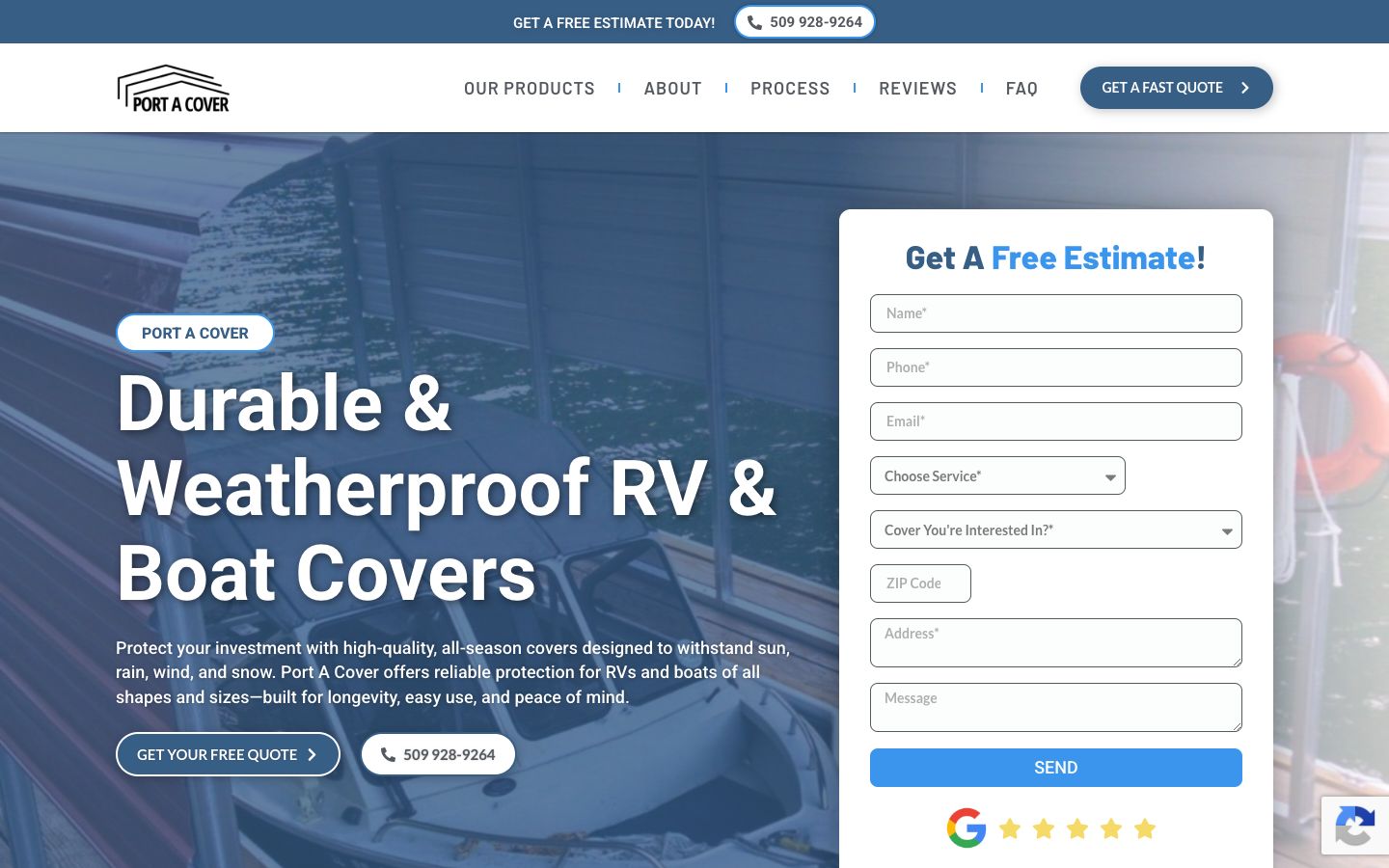
The Google Ads account, rebuilt: tracking fixed so only real leads count, a dedicated landing site, and a small WordPress plugin that tags each form lead with the ad click it came from. When the old host let that site go dark in September, I rebuilt the hosting and DNS and had it back within a week.
An inventory app that replaces the parts spreadsheet and prints the pull sheet a crew member carries to the rack for each job. Deliveries aren't typed in anymore: someone photographs the supplier's packing list, AI reads every line against their 90-part catalog, flags anything it isn't sure about, and stock updates with one tap. That saves more than 15 hours of data entry a week. And because they own a tool built around exactly how they work, without the extra features they never used, they skip the cost of off-the-shelf inventory software, saving more than $25K in labor and software.